
Have you had a root canal in the past, but your tooth is still bothering you? You might need endodontic retreatment.
This dental procedure can save your tooth and help you avoid more serious problems down the road. Main Line Endodontic & Periodontic Associates is your local resource in Bryn Mawr for root canals and endodontic treatments to save your natural tooth.
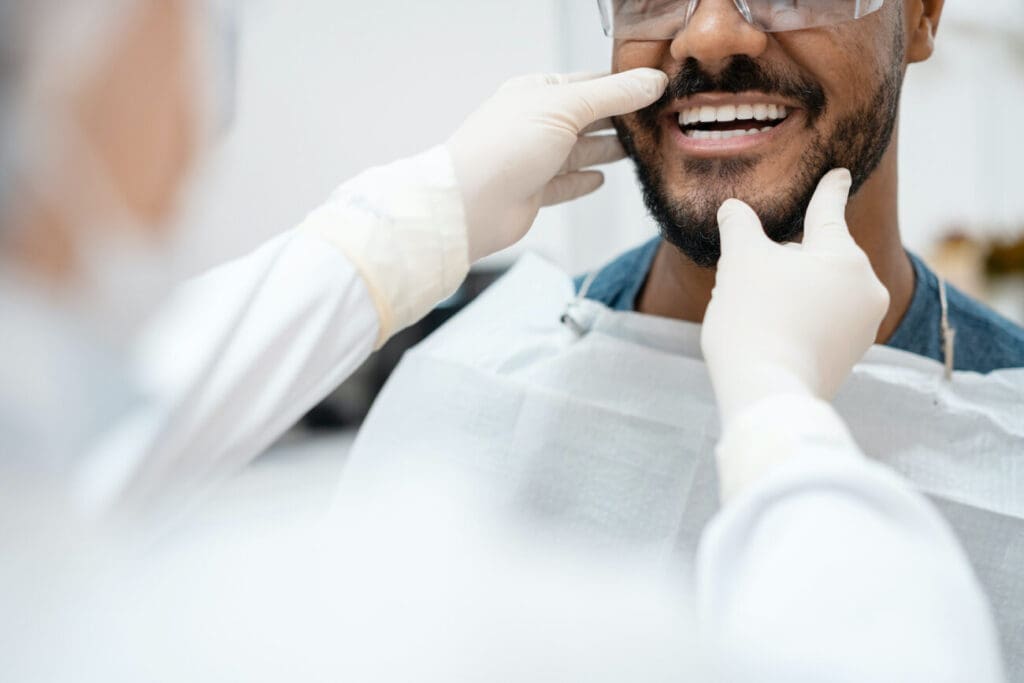
What is Endodontic Retreatment?
Endodontic retreatment is when a dentist performs a second root canal on a tooth that was already treated before. Sometimes, even after a successful root canal, a tooth may not heal properly or could develop new problems years later. When this happens, retreatment gives your tooth another chance to heal and stay in your mouth.
During the original root canal, your dentist cleaned out the infected tissue inside your tooth and sealed it. But sometimes, bacteria can find their way back in, or the tooth might not have healed completely the first time. Retreatment involves opening the tooth again, removing the old filling material, cleaning out any remaining infection, and sealing it back up properly.
What to Expect During Endodontic Retreatment
The retreatment process is similar to your original root canal, but with a few extra steps. Here’s what typically happens:
- Before Your Appointment: Your dentist will take X-rays to see what’s going on inside your tooth. They’ll look for signs of infection or other issues that need to be fixed. You’ll also discuss any concerns or questions you might have.
- During the Procedure: First, your dentist will numb the area around your tooth so you won’t feel any pain. Then they’ll carefully remove any crown or filling that’s on your tooth. Next, they’ll take out the old root canal filling material and check the inside of your tooth for any problems.
Your dentist will clean out all the tiny canals inside your tooth using special tools. They might need to use a microscope to see really small canals that were missed before. If they find any infection, they’ll clean it out completely. Sometimes, the dentist might put medicine inside your tooth and seal it temporarily to let it heal for a few weeks.
- After Treatment: Once your tooth is completely clean and infection-free, your dentist will fill the canals with a rubber-like material and seal your tooth. You’ll need to come back later to get a permanent crown or filling placed on top to protect your tooth.
- Recovery Time: Most people feel better within a few days after retreatment. You might have some mild discomfort or sensitivity, but this usually goes away quickly. Your dentist can give you pain medicine if you need it.
Who is a Good Candidate for Endodontic Retreatment?
Not everyone with a previous root canal needs retreatment, but you might be a good candidate if you’re experiencing certain symptoms or situations:
- Persistent Pain: If your tooth still hurts or becomes painful again months or years after your root canal, retreatment might help.
- New Infection: Sometimes X-rays show a new infection at the tip of your tooth’s root, even if you don’t feel any pain yet.
- Swelling or Tenderness: If the gum around your treated tooth is swollen, tender, or has a pimple-like bump, this could mean bacteria got back inside.
- Complicated Tooth Structure: Some teeth have very curved or narrow canals that were difficult to clean completely the first time.
- Delayed Crown Placement: If you waited too long to get a permanent crown after your root canal, bacteria might have gotten back into your tooth.
- Cracked Filling or Crown: When the filling or crown on top of your root canal breaks or comes loose, bacteria can sneak back inside your tooth.
We will do a complete exam and take X-rays to decide if retreatment is the right choice for you. Our endodontic team at Main Line Endodontic & Periodontic Associates look at the condition of your tooth, your overall dental health, and whether your tooth has enough healthy structure left to save.
Benefits of Endodontic Retreatment
The biggest benefit of endodontic retreatment is keeping your own natural tooth. Nothing works quite as well as your real teeth when it comes to chewing and biting. Your natural tooth also helps keep your jawbone healthy and strong. When you keep your natural teeth, your mouth works better and feels more comfortable than it would with artificial replacements.
Retreatment is also more affordable than pulling your tooth and replacing it. While the procedure does cost money, it’s usually less expensive than getting a dental implant or bridge. Tooth replacement involves multiple procedures and can take several months to complete. With retreatment, you can save your tooth in just one or two visits, which saves you time and money in the long run.
Keeping your natural teeth helps prevent other dental problems too. When you lose a tooth, the teeth next to it can shift out of place over time. This can cause bite problems, jaw pain, and make it harder to clean your teeth properly. By saving your tooth through retreatment, you avoid these future complications and keep your mouth healthy.
Most people recover from endodontic retreatment quickly and can return to their normal activities within a day or two. The procedure has a very good success rate, and many retreated teeth last for many more years, sometimes even a lifetime with proper care. If your tooth has been hurting, retreatment can provide lasting relief by removing the source of infection and discomfort.
Finally, keeping your natural tooth means your smile stays complete and natural-looking. You won’t have any gaps or need to deal with artificial tooth replacements. Your retreated tooth will look and feel just like your other teeth, so you can smile, talk, and eat with confidence.